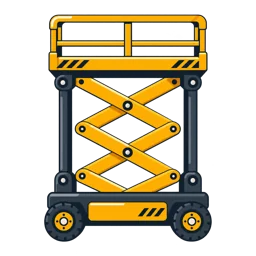
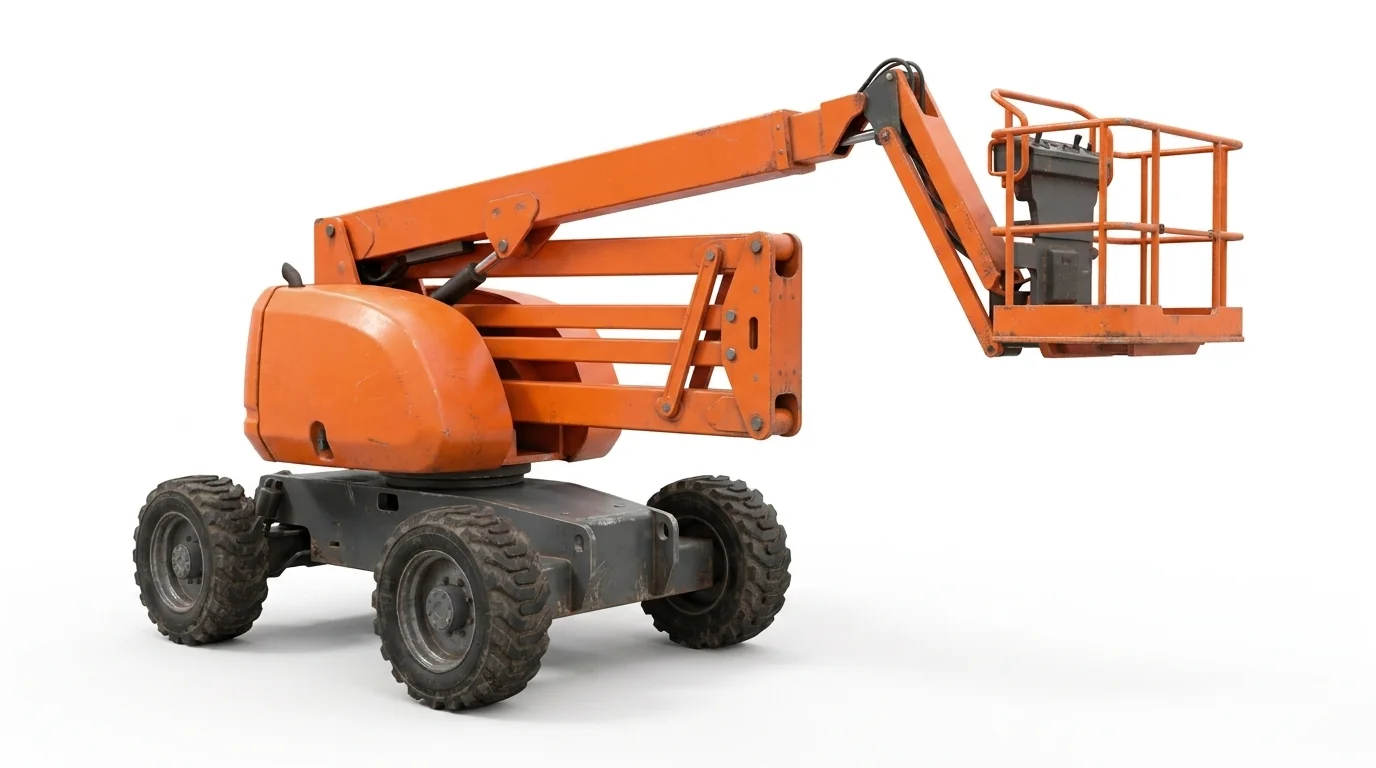
Two primary geometries
- Vertical access from directly below the task: scissor lifts excel where the platform can sit under the work and floor support is known.
- Up-and-over access from a stand-off position: boom lifts reach past obstacles or landscaping when you cannot park directly beneath.
Local conditions that shape the decision
Moisture-sensitive soils around Jackson shift under concentrated loads. Outdoor selections weigh flotation, stabilizing systems, and the ability to work from firmer set-backs. Indoors, slab capacity and aisle width typically narrow the options.
Scissor lift overview
- Electric scissor lifts: compact widths for aisles and interiors; quiet with low emissions. See /electric-scissor-lift-rental/.
- Rough-terrain scissor lifts: larger tires, higher clearance, and stabilization for unfinished sites. See /rough-terrain-scissor-lift-rental/.
Boom lift overview
- Articulating booms: jointed booms reach around ducts, canopies, and equipment with precise positioning in tight courts. Learn more at /boom-lift-rental/.
- Telescopic booms: straight booms offer longer horizontal reach for stand-off work where there’s room to set up on firmer ground.
Narrow by constraints
- Required platform height and horizontal reach
- Surface support: slab rating, aggregate pad, or variable subgrade
- Machine width vs. aisles, gates, and doors
- Emissions and noise limits near occupied spaces
When equipment overlaps
A tall scissor and a shorter boom can reach similar heights, but the better choice depends on whether you can park beneath the task and how the ground handles wheel loads.