Define the reach and line of approach
- Is there a clear lane to park the chassis parallel to the work?
- How far is the horizontal distance from tires to the task plane?
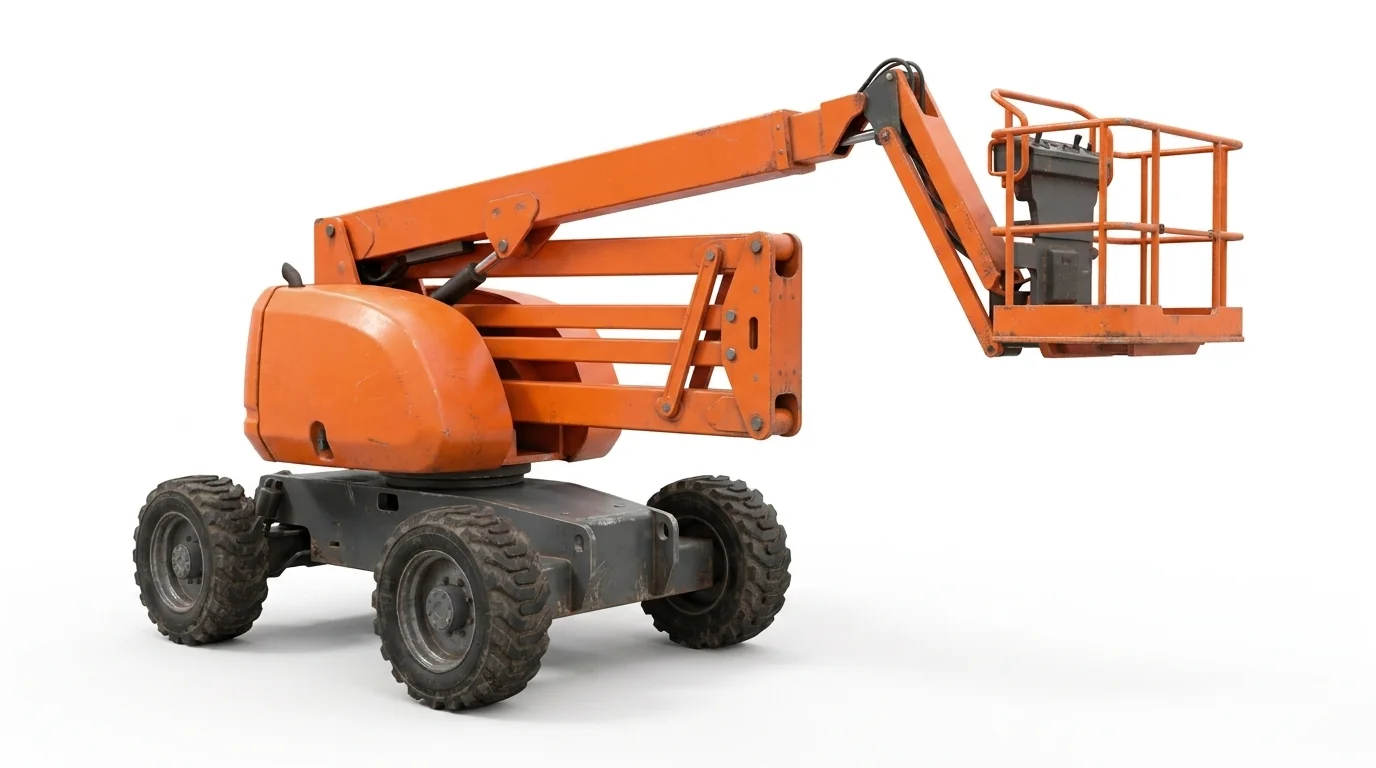
- Are there overhead restrictions that would force an up‑and‑over path? When the path is open, a straight boom delivers efficient travel and outreach with fewer articulations to manage.
Jackson site factors to account for
On the edges of large slabs, expansive soil may create soft shoulders and differential settlement. After heavy rain or during seasonal swings, asphalt and fill can pump under wheel loads. That favors machines with appropriate tires and demands careful attention to bearing conditions defined by the site. In hot, humid conditions, consider heat load on engines and electronics and plan staging away from active exhaust streams or intake areas.
Narrowing the model
- Horizontal reach priority: Select a class that meets the furthest expected outreach with margin.
- Platform capacity: Confirm task weight with tooling and materials; many straight booms offer staged capacity zones that affect outreach.
- Chassis width and turning: Measure travel lanes between bollards and docks; some long‑reach units need wide turns.
- Terrain and tire type: If the approach crosses compacted aggregate or cured slab with adjacent soft areas, verify flotation and permissible wheel loading.
- Power: Diesel suits exterior runs; electric or hybrid units may serve partially enclosed spaces with ventilation limits.
Typical Jackson applications
- Exterior maintenance along long walls at distribution or manufacturing sites.
- Lighting, signage, and facade work above parking or service lots.
- Structural inspections where continuous horizontal travel is needed.
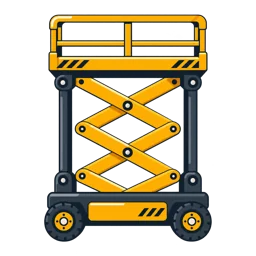
If obstructions block the approach or you must reach over rooflines, compare /articulating-boom-lift-rental/. For deck work where vertical access is sufficient, see /electric-scissor-lift-rental/.
Pre-planning notes
- Maximum platform height and required horizontal outreach
- Travel path width, slope, and surface transitions
- Known slab ratings and any soil remediation near the setup zone
- Weather window and wind exposure per site policy
Actual conditions, the selected unit’s instructions, and site procedures govern setup and work at height.