Start with the geometry
- Can the machine sit below the task and reach over rooflines, ducts, or trees?
- Is there a need to swing around live operations or loading lanes?
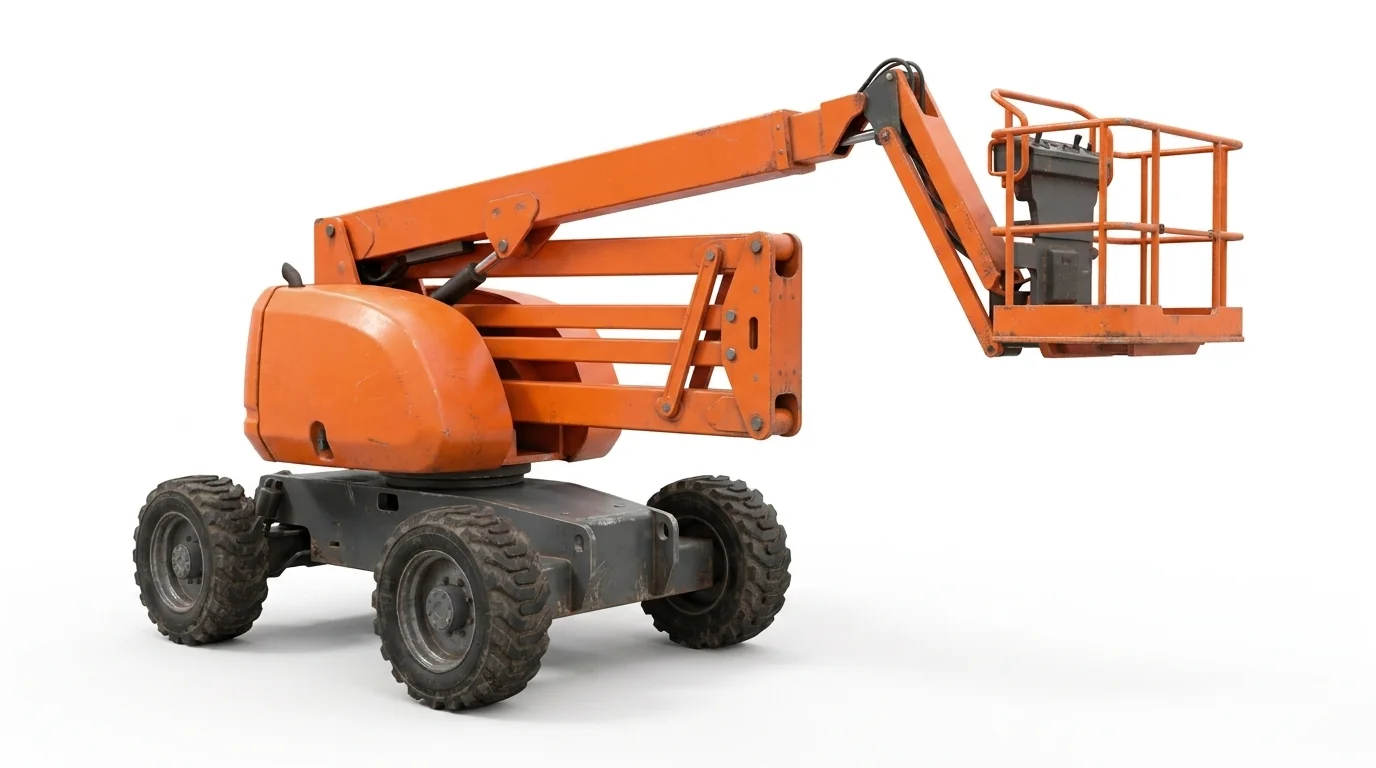
- Is the approach path narrow, with gates or columns limiting entry? Articulating sections and a jib offer “up-and-over” paths that clear obstructions while keeping the chassis in a safer, more open area.
Why Jackson’s conditions change the plan
Outdoor work in Jackson often happens on soils that soften with moisture and shift under load. On unimproved sites and landscaped edges, expect variable bearing strength. That steers selection toward units with appropriate tires, load distribution, and the ability to set up on firmed pads. For interior maintenance in conditioned spaces, humidity transitions at doorways can create slick thresholds that favor non‑marking tires and electric power.
Narrow the equipment choice
- Height and reach: Map the vertical height and the horizontal up‑and‑over distance. Articulating models cover moderate to tall tasks where obstacles prevent a straight boom approach.
- Jib offset: If the last few feet require precise positioning under eaves or behind parapets, prioritize a jib with range of motion.
- Chassis width and weight: Measure gates, ramps, and slab ratings in older facilities. Compare to machine width and wheel loads before committing.
- Power source: Electric units suit interior atriums and finished floors; engine power suits exterior envelopes and utility yards.
- Ground contact: On lawns or fill near retaining walls, look for units designed for uneven grades and confirm allowable outrigger or tire loading based on site direction.
Typical Jackson use cases
- Building envelope repairs where landscaped setbacks limit truck access.
- MEP work above corridors with ongoing foot traffic.
- Sign, canopy, and facade work along service drives with uneven subgrade.
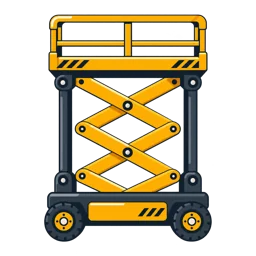
For long, unobstructed reach along rail spurs or tall walls, compare options at /telescopic-boom-lift-rental/. For deck work where vertical access is enough, see /rough-terrain-scissor-lift-rental/ and /electric-scissor-lift-rental/.
Planning checklist
- Minimum gate and aisle width from staging to setup
- Required platform height and the horizontal offset from the chassis
- Surface type at setup (slab, asphalt, aggregate, turf) and any known soil remediation
- Ventilation and emissions limits if working indoors
- Work window around nearby loading or maintenance operations
Actual conditions, the selected unit’s instructions, and site procedures govern positioning and use.