Define the stand-off and obstacles
- Measure horizontal distance from the safe setup point to the work face.
- Map obstructions like canopies, conveyors, and rooftop edges that require up-and-over geometry.
Local ground and weather effects
Expansive soils around Jackson can settle unpredictably, especially after rainfall. Choosing a setup point on firmer surfaces reduces pitching while elevated. Heat and humidity lengthen cool-down cycles and affect engine or battery performance, so plan reach with margin.
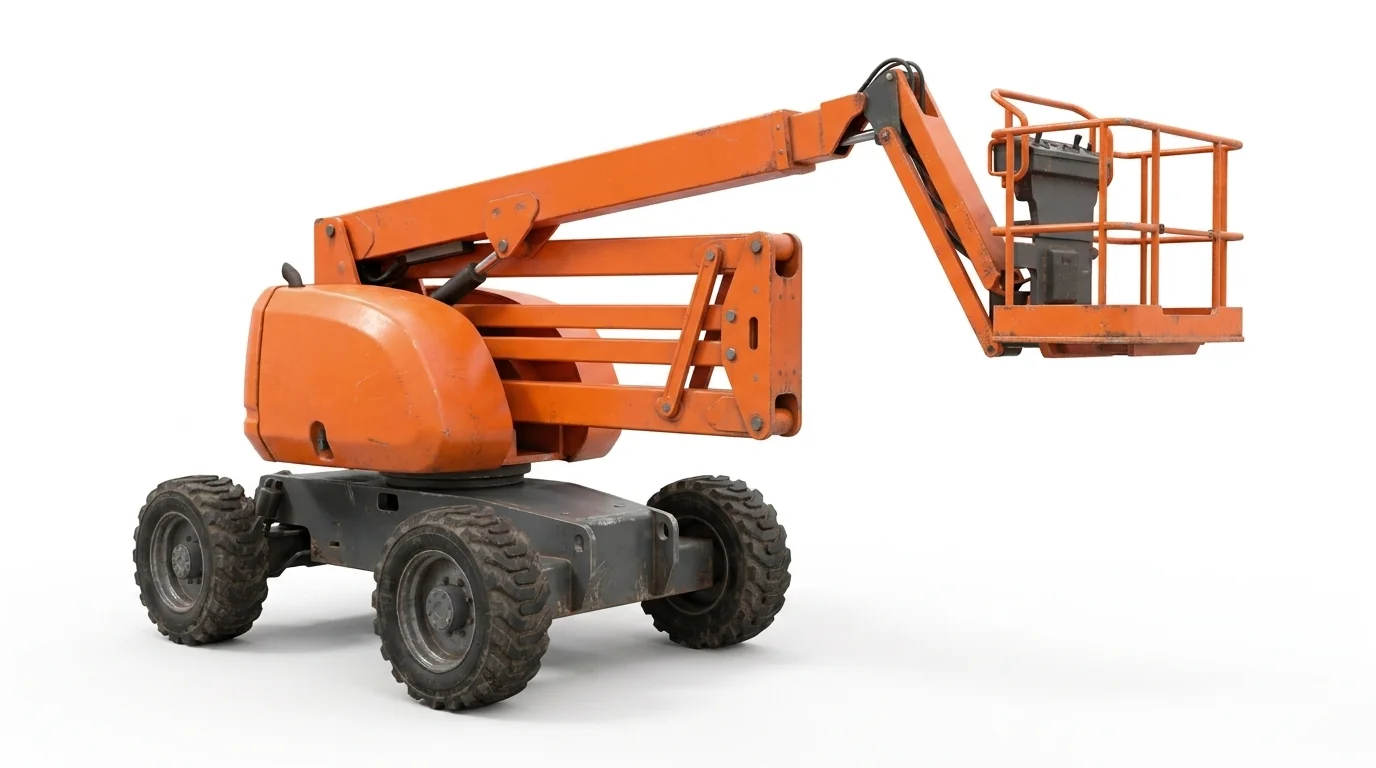
Articulating vs. telescopic booms
- Articulating booms: multiple joints bend around obstacles and position the platform precisely in courtyards, under overhangs, and between structures.
- Telescopic booms: straight booms provide longer horizontal reach from a distant, stable pad when closer access is limited by landscaping or soft ground.
Key constraints to compare
- Platform height and horizontal outreach needed from the firm setup point
- Machine width, tail swing, and turning radius for access through gates and service drives
- Tire type and contact area for variable soils; foam-filled options resist debris
- Power source: diesel for long outdoor duty; electric or hybrid near occupied spaces or where emissions are restricted
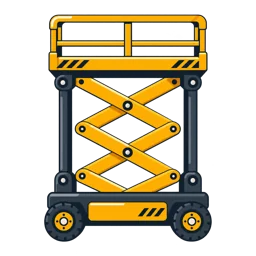
When a scissor is the better tool
If you can park directly beneath the task on a known slab and need a larger work deck, a scissor lift will be more stable and efficient. See /electric-scissor-lift-rental/ for interiors and /rough-terrain-scissor-lift-rental/ for outdoor platforms.